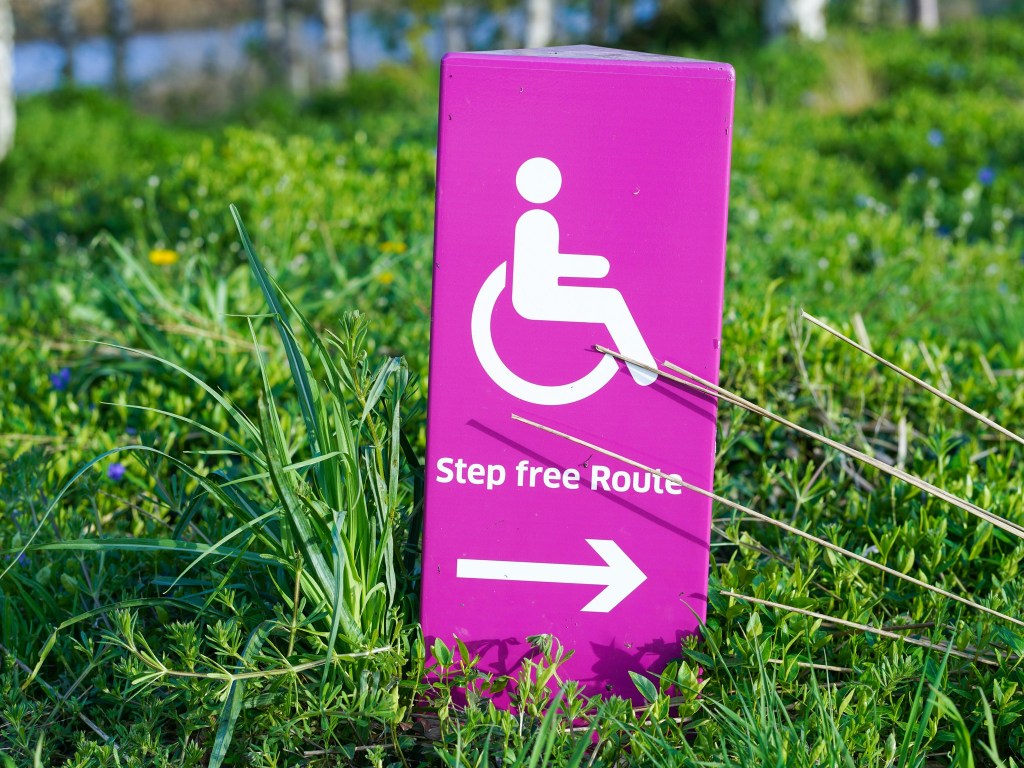
Nearly 2 million, or 1 in 7, Ontarians currently live with one or more disabilities. That number is expected to rise to 1 in 5 Ontarians by 2036. Within 20 years, people with disabilities will account for 40% of Ontario’s total income. That’s $536 billion! This is a rapidly growing market that businesses can’t afford to ignore. Ontario law requires organizations to make their goods, services, and facilities accessible to everyone. You can start your journey to understanding how with resources and insights found and offered by our committee.
The Accessibility for Ontarians with Disabilities Act (AODA) requires that Ontario businesses make their services accessible to people with disabilities. The AODA sets a broad framework for accessibility in Ontario, and the Integrated Accessibility Standards Regulation (IASR) has the detailed rules that outline requirements for Ontario businesses. The IASR consolidates information for businesses into one area, sectioning its information into key topics.
What you need to do
There are certain steps your business will need to take in order to provide accessible service to customers or staff with disabilities. All “helpful websites” links that follow open external websites in the same tab or window.
Develop accessibility policies
Ensure that your policies are guided by the principles of dignity, independence, integration, and equal opportunity. While some organizations do not always need to have written policies, it’s a good idea to plan for them. It’s also a good idea to plan for alternative, accessible formats for your policies.
For businesses with under 50 employees
- Create policies on accessibility
- Plan to maintain and update your policies when appropriate
For businesses with over 50 employees
- Create a statement of commitment to accessibility
- Develop and maintain your accessibility policies and make them available publicly
- Develop a multi-year accessibility plan and plan for updates every 5 years
Offer accessible information
Make feedback processes accessible for people with disabilities. This might mean learning about digital accessibility best practices to keep digital content like forms or surveys accessible. Accessible alternative formats for information should also be planned for and those formats cannot cost more than their original formats (if a fee is applicable).
For businesses with under 50 employees
- Upon request, written communication must be offered accessibly in a timely manner
- Work with employees or customers to figure out what best suits their needs
- New and significantly refreshed websites should conform to WCAG 2.0 Level AA (this is not a requirement, but strongly encouraged)
For businesses with over 50 employees
- Upon request, written communication must be offered accessibly in a timely manner
- Work with employees or customers to figure out what best suits their needs
- New and significantly refreshed websites must conform to WCAG 2.0 Level AA
Provide accessible service
Inclusive, respectful service considers your disabled customers’ needs and removes barriers. This includes welcoming service animals and support persons, allowing assistive and mobility devices, giving clear notice of service disruptions, and adapting your communication based on a person’s disability.
For businesses with under 50 employees
- Policies on accessible customer service should be developed but are not required to be written
- Training on accessible customer service should be provided to staff but is not required to be documented
- Accessibility policies should be developed but are not required to be made publicly available
For businesses with over 50 employees
- Document accessible customer service policies and provide them in accessible formats upon request
- Accessibility policies must be made publicly available
- Records of accessible customer service training must be kept
Provide accessible employment practices
Your business is required to train staff on accessibility laws and human rights, including respectful interaction with people with disabilities. You must also provide hiring and employment accommodations, ensure accessible communication, offer workplace support, and plan for individualized emergency responses.
For businesses with under 50 employees
- Do not need formal written accommodation or return-to-work plans, but must still accommodate when requested
For businesses with over 50 employees
- Create and document individual accommodation plans and return-to-work processes for employees who’ve been absent due to disability
- Notify the public about the availability of accommodation during hiring (for example: in job postings)
Consider the accessibility of your public space
If your business has a new or redeveloped public space, you should consider its access and potential barriers. Be sure to follow technical standards for designing accessible public spaces and include appropriate ramps, curb cuts, accessible parking, service counters or waiting areas, etc.
